How to Read Nutrition Labels for Better Diabetes Management
27 Jul, 2026
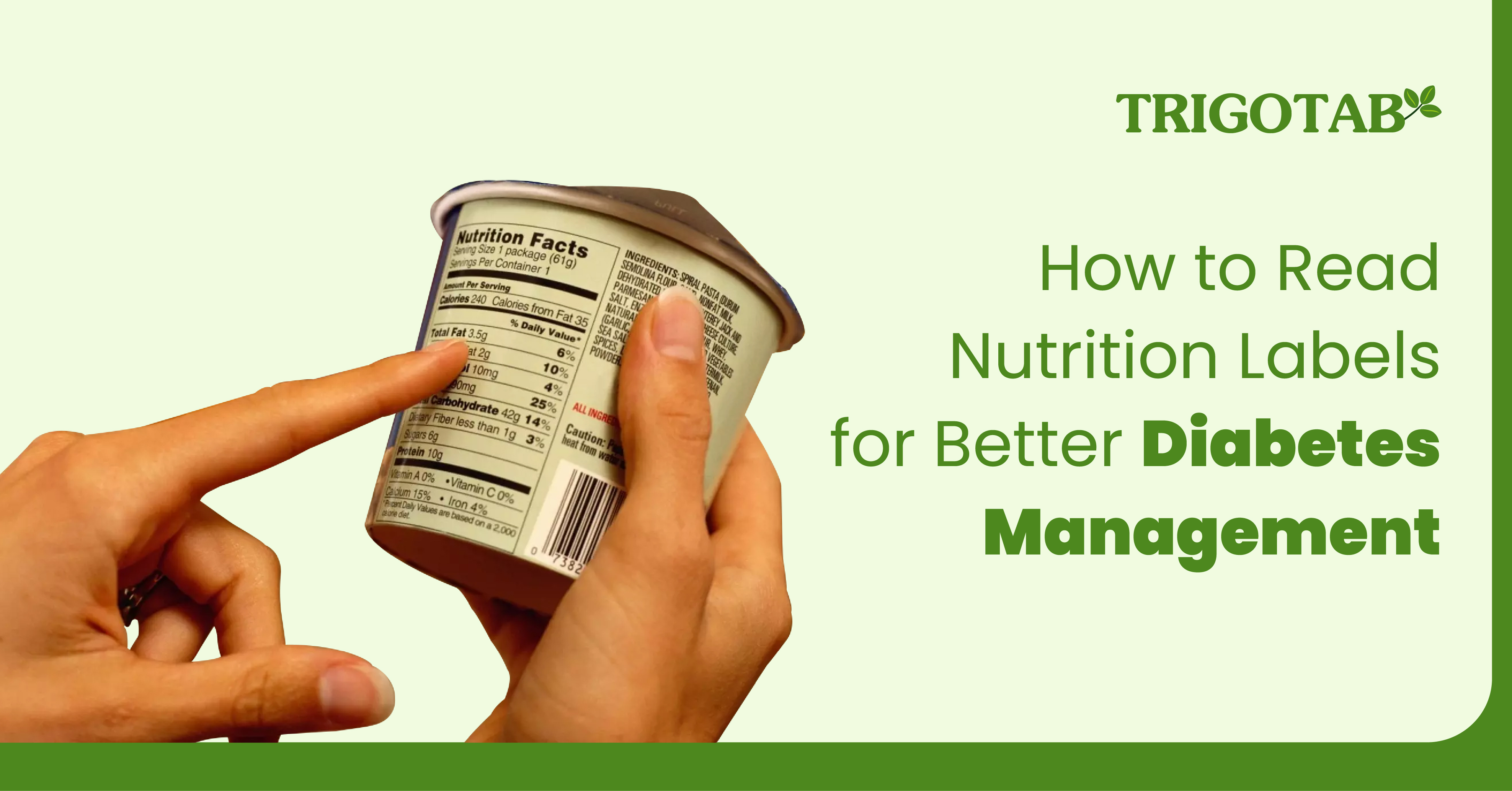
Managing diabetes involves more than simply avoiding sugary foods. Understanding nutrition labels is one of the most effective ways to make informed food choices, monitor carbohydrate intake, and support healthy blood sugar levels.
Many packaged foods contain hidden sugars, refined carbohydrates, and unhealthy fats that may affect glucose control. Learning how to read nutrition facts labels can help people with diabetes build healthier eating habits and improve meal planning decisions.
This article explains how to read nutrition labels, identify important nutritional information, and choose foods that better support diabetes management.
Introduction
Why Nutrition Labels Matter in Diabetes Management
Key Benefits of Reading Nutrition Labels
Nutrition labels may help people:
- Track carbohydrate intake
- Monitor added sugars
- Control portion sizes
- Compare healthier food options
- Support diabetes meal planning
- Improve long-term glucose management
Quick Answer
Why are nutrition labels important for diabetes? Nutrition labels help people with diabetes monitor carbohydrates, sugars, fibre, calories, and serving sizes. Understanding these values can support healthier food choices and better blood sugar management.
Understanding the Nutrition Facts Label
Start with the Serving Size
The serving size is one of the most important parts of the label because all nutritional values are based on this amount.
For example:
- If one serving contains 15g carbohydrates
- And you eat two servings
- You consume 30g carbohydrates
Portion awareness is essential for diabetes diet management.
Carbohydrate Counting for Diabetes
Why Carbohydrates Matter
Carbohydrates have the greatest impact on blood sugar levels because the body converts them into glucose.
Common carbohydrate sources include:
- Rice
- Bread
- Pasta
- Fruits
- Snacks
- Sugary drinks
Where to Find Total Carbohydrates
Look for the “Total Carbohydrates” section on the label.
This usually includes:
- Sugars
- Added sugars
- Dietary fibre
- Starches
Fibre and Diabetes
Foods high in dietary fibre may help slow glucose absorption and improve satiety.
Higher-fibre foods often include:
- Whole grains
- Vegetables
- Legumes
- Seeds
Understanding Sugar Content in Foods
Natural Sugar vs Added Sugar
Not all sugars affect the body in the same way.
Labels often separate:
- Natural sugars
- Added sugars
Added sugars are commonly found in:
- Soft drinks
- Desserts
- Packaged snacks
- Sweetened cereals
- Flavoured yoghurt
Why Added Sugar Matters
Frequent consumption of high-added-sugar foods may contribute to:
- Blood sugar spikes
- Weight gain
- Insulin resistance
- Poor diabetes control
Check Protein and Healthy Fats
Protein Helps Improve Fullness
Protein-rich foods may help reduce hunger and support balanced meals.
Healthy protein sources include:
- Lentils
- Fish
- Eggs
- Lean meat
- Greek yoghurt
Understanding Fat Content
Look for:
- Lower saturated fat
- Minimal trans fat
- Healthier unsaturated fats
Healthy fat sources may include:
- Nuts
- Seeds
- Olive oil
- Avocados
Sodium and Processed Foods
Why Sodium Intake Matters
People with diabetes may also have a higher risk of high blood pressure and heart disease.
Excess sodium intake can contribute to:
- Hypertension
- Fluid retention
- Cardiovascular complications
Tips for Lower Sodium Choices
Choose foods that are:
- Low sodium
- Minimally processed
- Fresh or homemade when possible
Diabetes Meal Planning Tips Using Nutrition Labels
Compare Similar Products
Nutrition labels help compare food products before purchasing.
For example:
- Whole grain bread vs white bread
- Unsweetened yoghurt vs flavoured yoghurt
- Low-sugar cereals vs sugary cereals
Choose Balanced Snacks
Better snack choices may include:
- Nuts
- Roasted chickpeas
- Fruit with yoghurt
- High-fibre crackers
Avoid Marketing Confusion
Words such as:
- “Natural”
- “Low fat”
- “Healthy”
- “Sugar-free”
do not always mean the product is diabetes-friendly.
Always read the full nutrition facts label carefully.
Common Nutrition Label Mistakes
Ignoring Serving Sizes
Many people underestimate how much they actually consume.
Focusing Only on Sugar
Total carbohydrates often matter more than sugar alone for blood glucose control.
Overlooking Hidden Sugars
Ingredients such as:
- Corn syrup
- Dextrose
- Maltose
- Fructose
are also forms of sugar.
Healthy Food Choices for Diabetics
Foods Often Recommended in Balanced Diabetes Diets
- Non-starchy vegetables
- Whole grains
- Legumes
- Fresh fruits in moderation
- Lean proteins
- Healthy fats
Importance of Consistency
Balanced meal timing and portion control may support more stable blood sugar levels throughout the day.
Common User Questions
What should diabetics look for on food labels?
People with diabetes should mainly check serving size, total carbohydrates, added sugars, fibre, and sodium.
Is sugar-free food always safe for diabetes?
Not always. Some sugar-free products may still contain high carbohydrates or unhealthy fats.
Why is fibre important for blood sugar control?
Dietary fibre may slow glucose absorption and help improve fullness.
Can packaged foods fit into a diabetes diet?
Yes. Reading labels carefully can help individuals choose healthier packaged food options.
FAQ’s
How many carbohydrates should diabetics eat per meal?
Carbohydrate needs vary based on age, activity level, medication, and medical advice.
Are fruit juices good for diabetes?
Many packaged fruit juices contain high sugar levels and should be consumed carefully.
What is the best snack for diabetes?
High-fibre and protein-rich snacks are often preferred for balanced blood sugar support.
Can nutrition labels help with weight management?
Yes. Labels may support portion control and healthier food selection.
Should diabetics avoid all carbohydrates?
No. Carbohydrates are important for energy, but portion control and healthier carbohydrate choices matter most.
Key Takeaways
- Nutrition labels help support informed diabetes food choices.
- Total carbohydrates are important for blood sugar management.
- Added sugars should be monitored carefully.
- Fibre-rich foods may support better glucose control.
- Portion size awareness is essential.
- Balanced meal planning plays an important role in diabetes management.
Conclusion
Reading and understanding nutrition labels is an important skill for managing diabetes and making smarter dietary choices. Paying attention to serving size, carbohydrates, fibre, and added sugars can help support better blood sugar control and encourage healthier eating habits over time.
Trigotab supports diabetes care and metabolic wellness through patient-focused solutions aimed at promoting better glucose management. When combined with balanced nutrition, regular activity, and professional medical guidance, Trigotab products can complement an overall diabetes management routine and support long-term wellbeing.