Prediabetes: How to Catch It Early and Prevent Diabetes
15 Jun, 2026
Introduction
Prediabetes is often silent—but catching it early can prevent full-blown diabetes.
Many people don’t realise they have it until blood sugar levels rise significantly.
If you’re wondering about early signs of prediabetes or how to stop it from progressing, this guide explains how to detect it early and what practical steps you can take to reverse or manage it effectively.
Disease Overview – What Is Prediabetes?
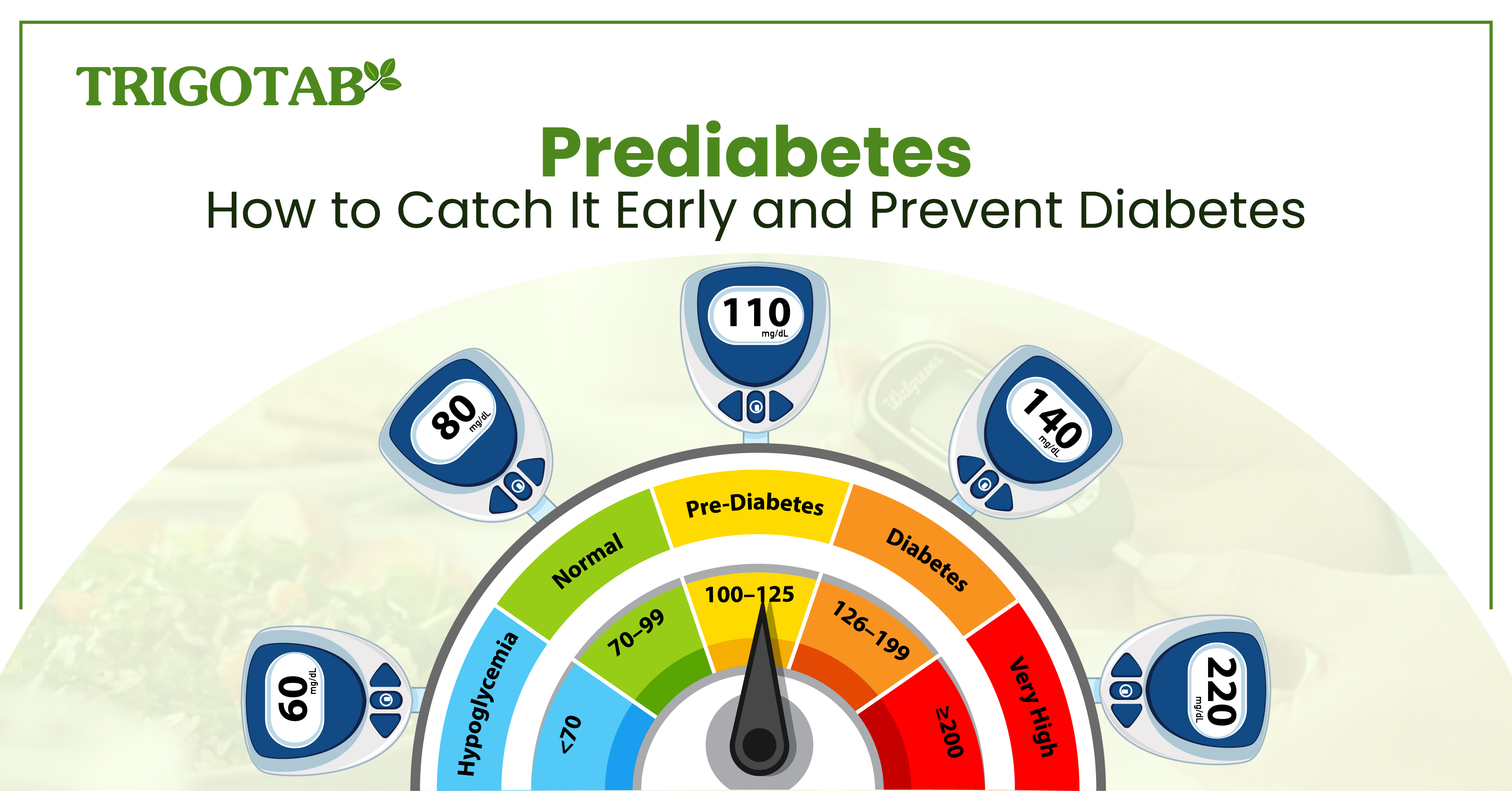
Prediabetes is a condition where blood sugar levels are higher than normal but not high enough to be diagnosed as diabetes.
It indicates that the body is starting to develop insulin resistance, a key factor in type 2 diabetes.
Why prediabetes matters
- It increases the risk of developing type 2 diabetes
- It may raise the risk of heart disease
- It often progresses silently without obvious symptoms
Prediabetes early signs
Most people experience mild or no symptoms, but some early signs may include:
- Increased thirst
- Frequent urination
- Fatigue
- Blurred vision
- Darkened skin patches (especially around neck or underarms)
Causes and Risk Factors of Prediabetes
Understanding prediabetes risk factors helps in early prevention.
Lifestyle-related causes
- Sedentary lifestyle
- Poor diet (high sugar and refined carbs)
- Overweight or obesity
- Irregular eating habits
Medical and genetic factors
- Family history of diabetes
- Hormonal imbalance
- High blood pressure
- Polycystic ovary syndrome (PCOS)
Age and metabolic changes
Although common in older adults, prediabetes is increasingly seen in younger individuals due to lifestyle changes.
How to Detect Prediabetes Early
Early detection is key to preventing progression.
Common diagnostic tests
- Fasting blood glucose test
- HbA1c (average blood sugar levels over time)
- Oral glucose tolerance test
When to get tested
- If you have risk factors
- If you experience symptoms
- During routine health check-ups
Treatment Overview – Preventing Progression to Diabetes
Prediabetes is reversible in many cases with timely intervention.
General treatment strategies
- Lifestyle modifications
- Weight management
- Regular physical activity
- Monitoring blood sugar levels
Role of early action
Making changes early can:
- Prevent or delay diabetes
- Improve insulin sensitivity
- Boost overall health
How Blood Sugar Imbalance Develops
Mechanism of prediabetes (high-level)
- The body becomes less responsive to insulin
- Glucose remains in the bloodstream
- Blood sugar levels gradually rise
Over time, this can progress to diabetes if not managed.
Lifestyle Changes for Prediabetes
Daily habits to lower blood sugar early
- Eat balanced meals
- Include fibre, protein, and healthy fats
- Stay physically active
- Exercise improves insulin sensitivity
- Maintain a healthy weight
- Even small weight loss helps
- Get quality sleep
- Supports hormonal balance
- Manage stress
- Reduces blood sugar fluctuations
Diet to prevent diabetes
- Choose whole grains over refined carbs
- Increase intake of vegetables and fruits
- Limit sugary foods and beverages
- Include lean proteins
Common User Questions
Can prediabetes be reversed?
Yes, in many cases, lifestyle changes such as diet, exercise, and weight management can bring blood sugar levels back to normal.
How quickly can prediabetes progress?
It varies, but without intervention, it can progress to diabetes within a few years.
What is the best way to stop prediabetes?
Consistent healthy habits—balanced diet, exercise, and weight control—are the most effective strategies.
Safety and Usage Overview
- Avoid self-diagnosis
- Get regular blood sugar tests
- Follow medical advice
- Make gradual and sustainable lifestyle changes
Disclaimer: This content is for educational purposes only and does not replace medical advice.
FAQs
- What are the early signs of prediabetes?
Early signs may include increased thirst, frequent urination, fatigue, and blurred vision, though many people have no symptoms. - How is prediabetes detected?
It is detected through blood tests such as fasting glucose, HbA1c, or glucose tolerance tests. - Can prediabetes be prevented?
Yes, adopting a healthy lifestyle with proper diet and exercise can prevent or delay its onset. - What foods help prevent diabetes?
Whole grains, vegetables, fruits, and lean proteins help maintain stable blood sugar levels. - When should I get tested for prediabetes?
If you have risk factors or symptoms, or as part of routine health screening.
Key Takeaways
- Prediabetes is an early warning sign of diabetes
- It often has no obvious symptoms
- Early detection is crucial
- Lifestyle changes can reverse or manage it
- Consistency is key to prevention
Conclusion
Prediabetes is a critical window of opportunity—one where the right steps can prevent long-term health complications. By recognising prediabetes early signs, getting tested on time, and making consistent lifestyle changes, you can significantly reduce the risk of developing diabetes.
For those looking to better understand blood sugar control and take proactive steps, platforms connected with Trigotab offer helpful insights into managing glucose levels, building healthier routines, and supporting long-term metabolic health.