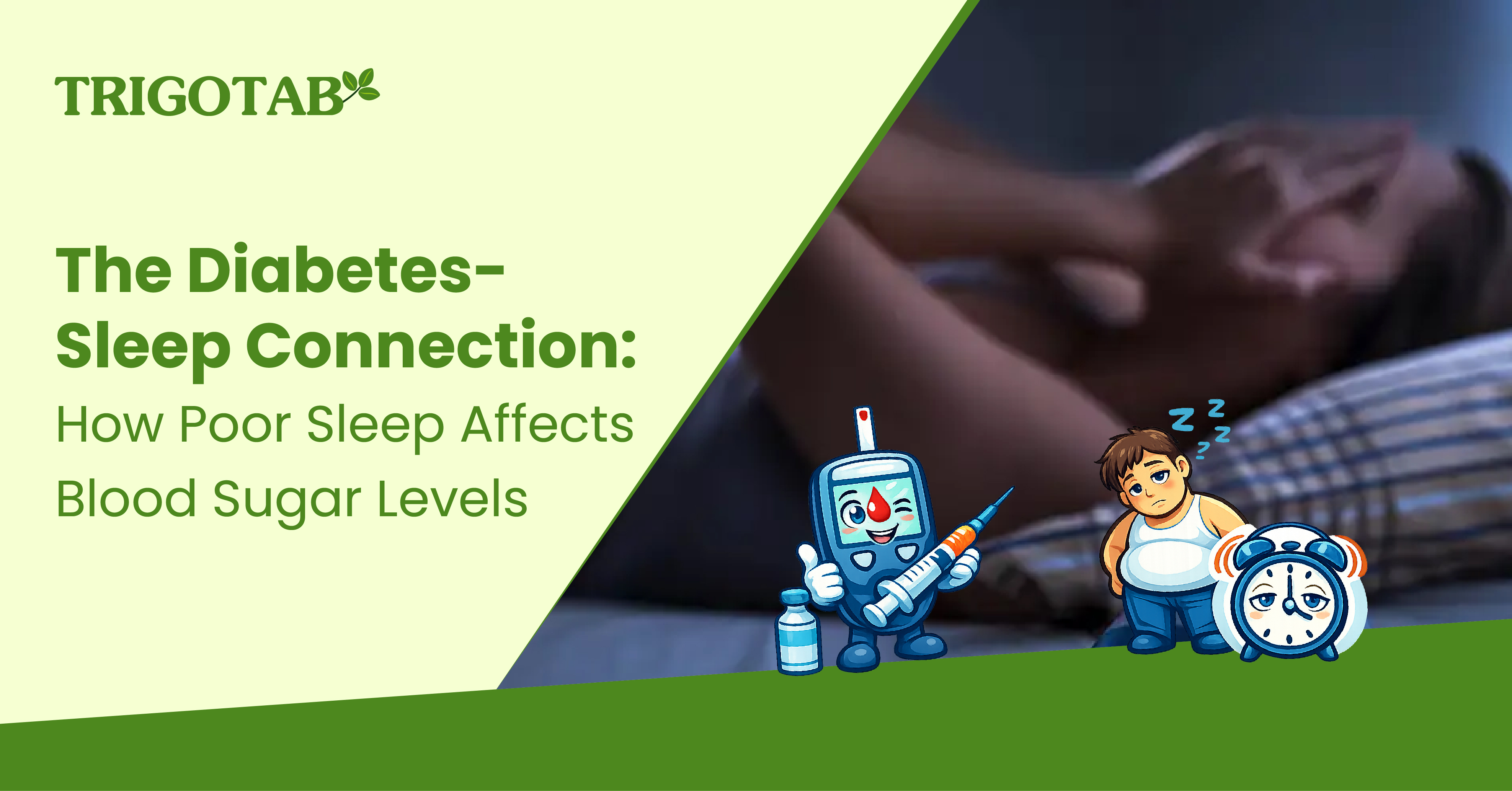
Daily Habits to Reduce Stress and Improve Sleep for Better Blood Sugar
25 Jun, 2026

Introduction
Stress and poor sleep can silently disrupt your blood sugar levels—even if your diet seems healthy.
If you’re struggling with energy crashes, cravings, or fluctuating glucose levels, your daily routine may be the missing link.
If you’re struggling with energy crashes, cravings, or fluctuating glucose levels, your daily routine may be the missing link.
This guide explains the connection between stress, sleep, and blood sugar, and shares practical habits to help you stabilise glucose levels naturally.
Disease Overview – Stress, Sleep, and Blood Sugar
Blood sugar regulation depends on a delicate balance of hormones, including insulin and cortisol.
How stress affects blood sugar
When you’re stressed, the body releases cortisol, a hormone that:
- Increases blood sugar levels
- Reduces insulin sensitivity
- Triggers cravings for high-sugar foods
Sleep and blood sugar link
Poor sleep can:
- Disrupt hormone balance
- Increase insulin resistance
- Lead to higher blood sugar levels
- Affect appetite and metabolism
Signs of imbalance
- Morning fatigue
- Sugar cravings
- Mood swings
- Difficulty concentrating
- Fluctuating energy levels
Causes – Why Stress and Sleep Impact Blood Sugar
Chronic stress
- Work pressure
- Emotional stress
- Lack of relaxation
Poor sleep habits
- Irregular sleep schedule
- Screen exposure before bed
- Insufficient sleep duration
Lifestyle factors
- Sedentary routine
- Unhealthy diet
- Excess caffeine
Treatment Overview – Managing Stress and Sleep for Blood Sugar Control
Improving stress and sleep is a key part of blood sugar management.
General approaches include:
- Stress reduction techniques
- Sleep hygiene improvements
- Balanced daily routine
- Regular monitoring of blood sugar
Role in diabetes prevention and management
Healthy stress and sleep habits can:
- Improve insulin sensitivity
- Reduce blood sugar spikes
- Support overall metabolic health
How Stress and Sleep Affect Glucose Regulation
Mechanism (high-level)
- Stress → increases cortisol → raises blood sugar
- Poor sleep → hormonal imbalance → reduced insulin efficiency
- Combined effect → unstable glucose levels
This is why managing both stress and sleep is essential for stable blood sugar.
Daily Habits to Reduce Stress Naturally
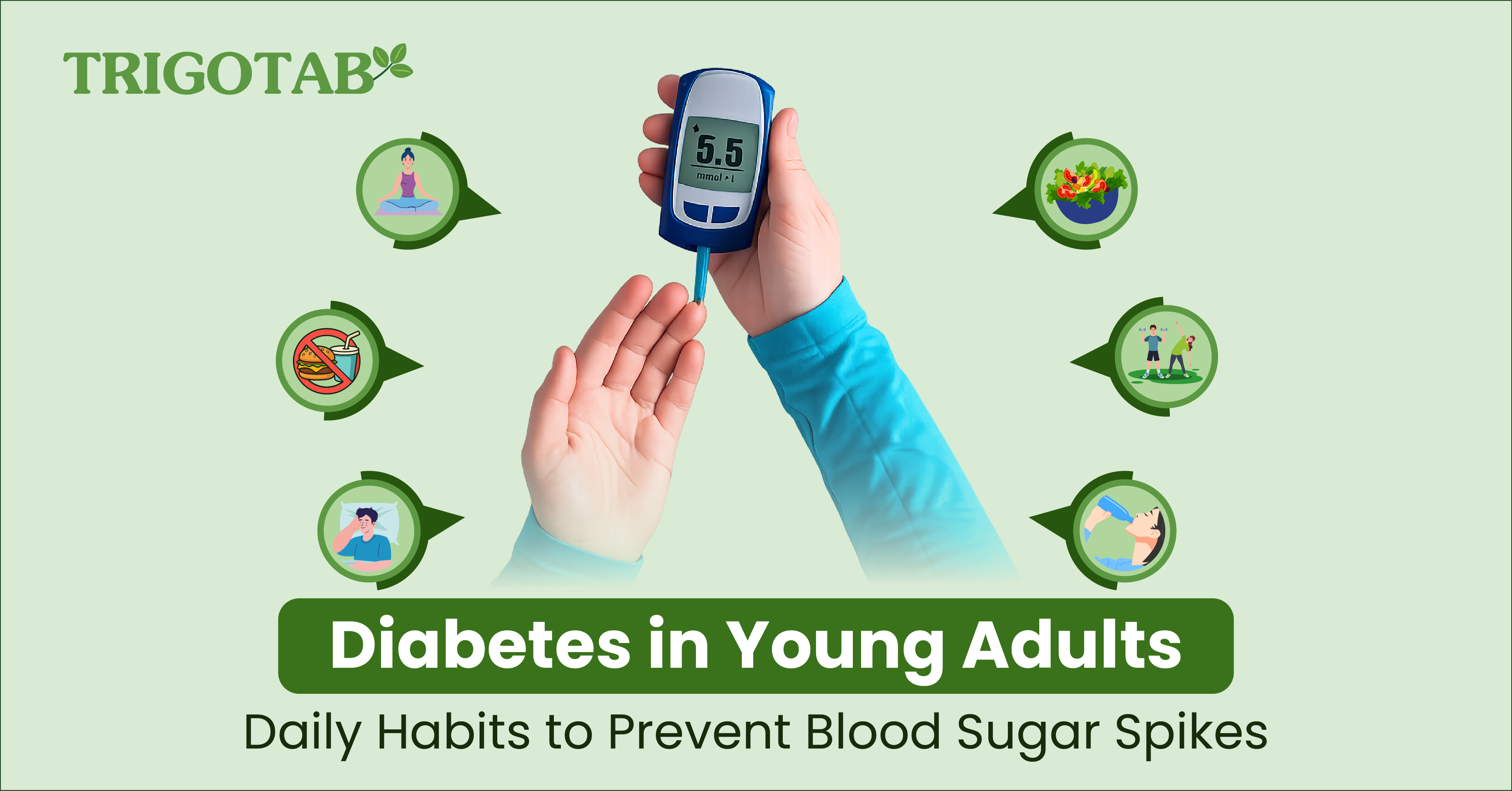
Practical stress management tips
- Practice mindfulness or meditation
- Helps reduce cortisol levels
- Engage in physical activity
- Walking, yoga, or light exercise
- Take regular breaks
- Prevent mental burnout
- Limit caffeine intake
- Especially in the evening
- Stay socially connected
- Emotional support reduces stress
Sleep Tips for Better Blood Sugar Control
Improve sleep quality
- Maintain a consistent sleep schedule
- Avoid screens 1 hour before bedtime
- Create a calm sleep environment
- Avoid heavy meals late at night
Ideal sleep habits
- 7–8 hours of quality sleep
- Regular sleep-wake cycle
- Relaxation before bed
Daily Routine to Stabilise Blood Sugar
Simple daily plan
- Start your day with a balanced breakfast
- Stay active throughout the day
- Manage stress through short breaks
- Eat meals at regular intervals
- Wind down before sleep
Common User Questions
Can stress really raise blood sugar?
Yes. Stress hormones like cortisol increase glucose levels and reduce insulin effectiveness.
Does poor sleep affect diabetes?
Yes. Poor sleep can worsen insulin resistance and increase blood sugar levels.
How can I improve sleep for better glucose control?
Follow a consistent routine, reduce screen time, and create a relaxing bedtime environment.
Safety and Usage Overview
- Monitor blood sugar regularly
- Avoid self-adjusting medications
- Seek medical advice if symptoms persist
- Focus on long-term lifestyle changes
Disclaimer: This content is for educational purposes only and does not replace medical advice.
FAQ
1. How does stress affect blood sugar?
Stress increases cortisol levels, which raises blood sugar and reduces insulin sensitivity.
2. What is the link between sleep and blood sugar?
Poor sleep disrupts hormones, leading to higher blood sugar and increased insulin resistance.
3. How can I reduce stress naturally?
You can reduce stress through exercise, meditation, social support, and relaxation techniques.
4. How much sleep is needed for blood sugar control?
Most adults need 7–8 hours of quality sleep for optimal glucose regulation.
5. Can better sleep improve blood sugar levels?
Yes, consistent and quality sleep can significantly improve blood sugar stability.
Key Takeaways
- Stress and sleep directly impact blood sugar levels
- High stress increases glucose levels
- Poor sleep reduces insulin sensitivity
- Daily habits can help stabilise blood sugar
- Consistency is essential for long-term control
Conclusion
Managing blood sugar isn’t only about diet—it’s also about how well you sleep and how effectively you handle stress. Small, consistent habits like improving sleep quality and reducing daily stress can make a meaningful difference in maintaining stable glucose levels.
For individuals looking to better understand blood sugar management and build sustainable routines, platforms associated with Trigotab provide useful insights into maintaining balance, improving metabolic health, and supporting long-term wellbeing through practical lifestyle approaches.