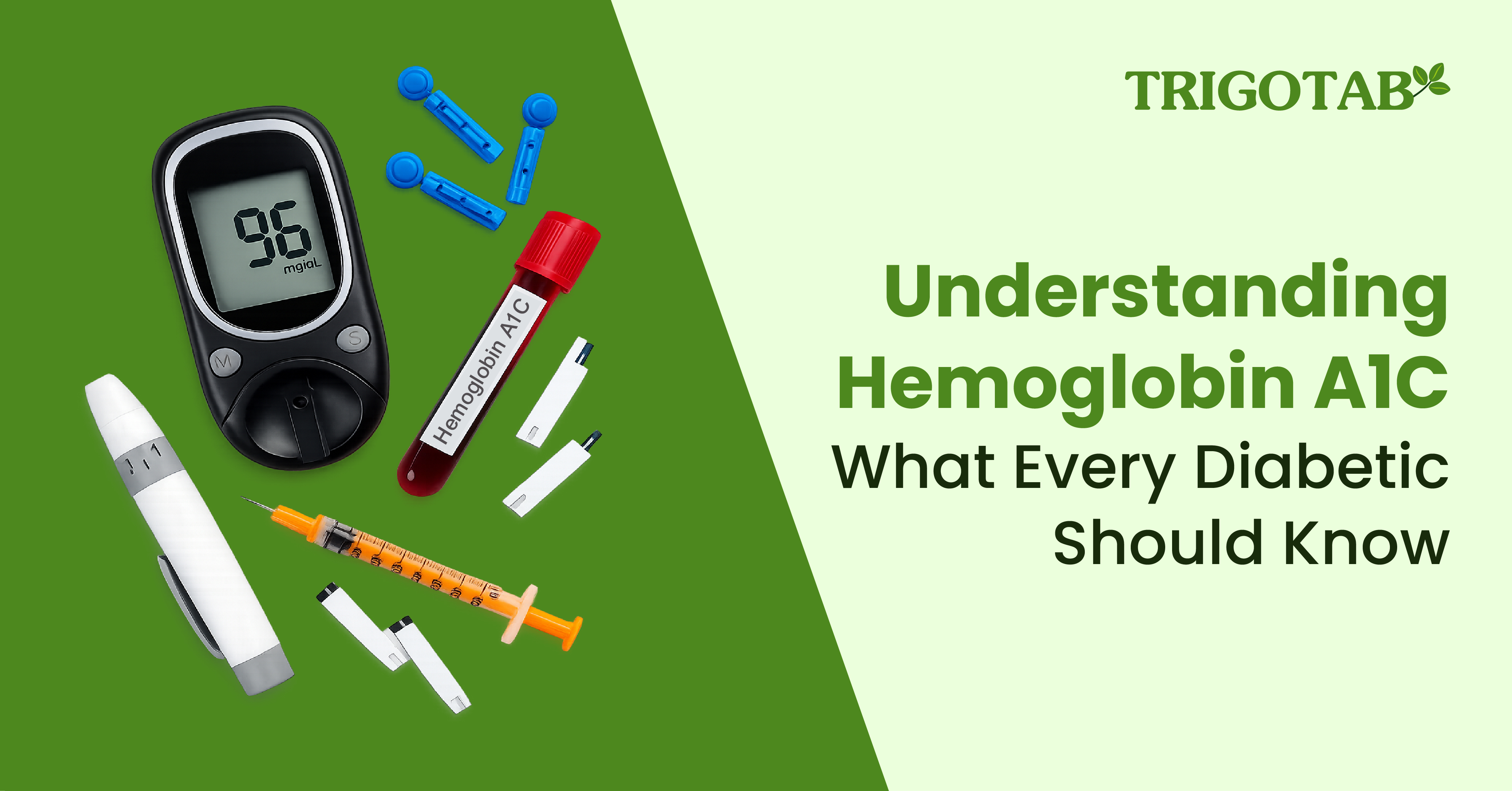
Understanding Hemoglobin A1C: What Every Diabetic Should Know
24 Jul, 2026
Introduction
Unlike regular glucose tests that show blood sugar at a single moment, the A1C test reflects the average blood sugar level over the past two to three months. This makes it a valuable tool for diagnosing diabetes, tracking treatment progress, and reducing the risk of long-term complications.
This article explains what the hemoglobin A1C test measures, normal and high A1C ranges, why the test matters, and practical tips for better diabetes management.
What Is the Hemoglobin A1C Test?
The hemoglobin A1C test measures the percentage of glucose attached to haemoglobin, the protein in red blood cells that carries oxygen throughout the body.
Because red blood cells typically live for around 3 months, the test provides an average picture of blood sugar levels over time.
Quick Answer
What does the Hemoglobin A1C test show?
The Hemoglobin A1C test shows the average blood sugar level over the previous 2–3 months by measuring the percentage of glucose attached to red blood cells. It is commonly used to diagnose and monitor diabetes.
Why Is A1C Testing Important for Diabetes?
Daily glucose readings can fluctuate depending on meals, stress, illness, or activity levels. The A1C test offers a broader understanding of overall diabetes control.
Benefits of A1C Monitoring
The test helps doctors:
- Diagnose diabetes and prediabetes
- Monitor long-term glucose control
- Evaluate treatment effectiveness
- Estimate the risk of diabetes complications
- Adjust medications or lifestyle plans
Why Long-Term Monitoring Matters
Persistently high blood sugar may increase the risk of:
- Heart disease
- Kidney damage
- Vision problems
- Nerve damage
- Poor wound healing
Regular A1C monitoring supports early intervention and better diabetes management.
A1C Levels Explained
Normal A1C Range
Typical A1C ranges include:
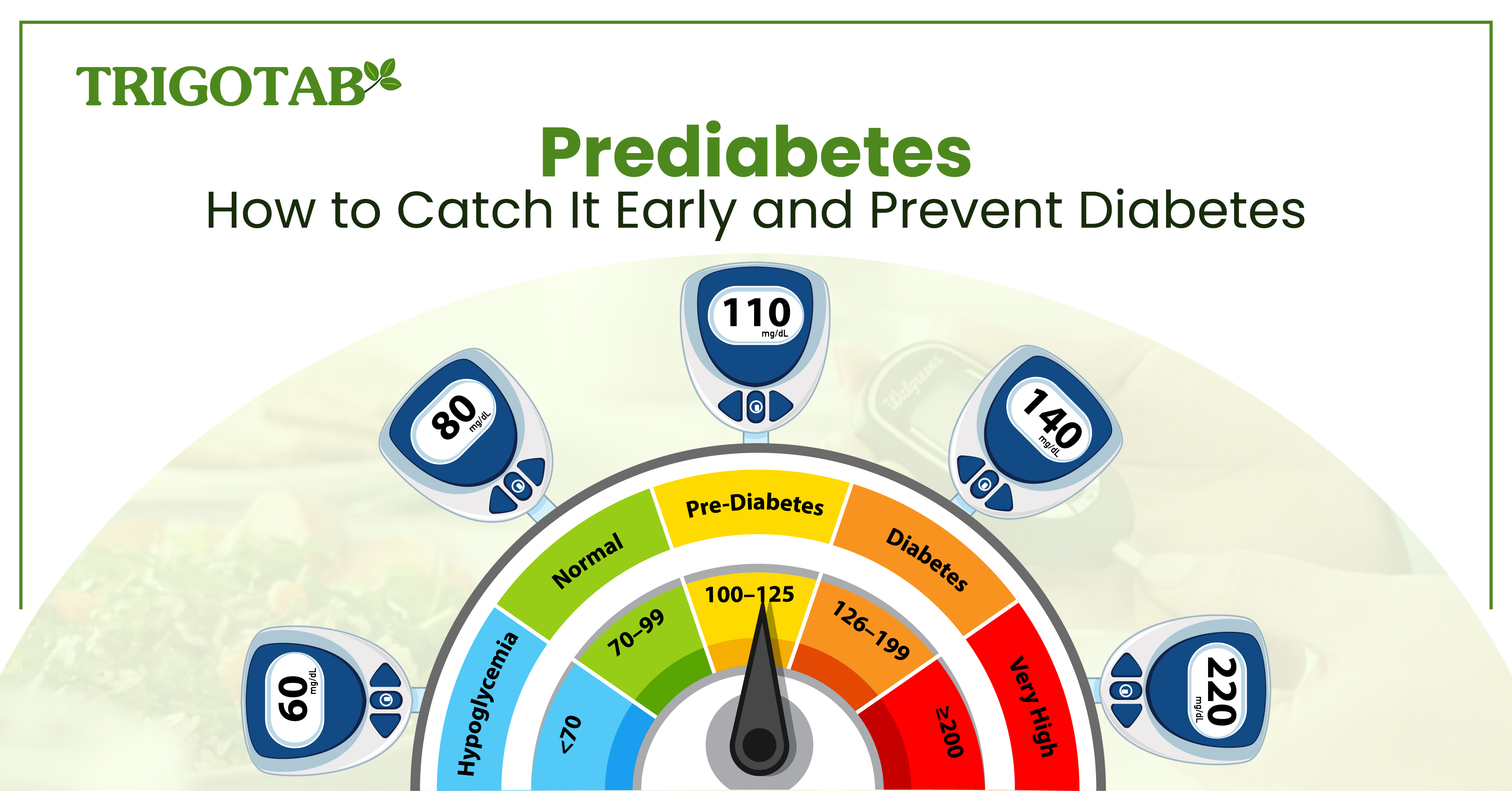
- Normal: Below 5.7%
- Prediabetes: 5.7% to 6.4%
- Diabetes: 6.5% or higher
A1C Target Range for Diabetics
A1C targets vary depending on age, health condition, and medical history. Many adults with diabetes are advised to maintain an A1C below 7%, but personalised goals may differ.
What Happens If A1C Is Too High?
High A1C levels may indicate poorly controlled blood sugar over time. This can increase the risk of serious complications if not managed properly.
How Often Should You Get an A1C Test?
Recommended Testing Frequency
Doctors may recommend:
- Every 3 months for uncontrolled diabetes
- Every 6 months for stable diabetes management
Testing frequency depends on individual health needs and treatment goals.
Who Should Consider A1C Testing?
A1C testing may be recommended for people with:
- Diabetes symptoms
- Family history of diabetes
- Obesity
- High blood pressure
- Sedentary lifestyle
- Previous gestational diabetes
How to Improve A1C Levels Naturally
Healthy Eating Habits
A balanced diet may help maintain healthier blood sugar levels.
Important dietary habits include:
- Reducing excess sugar intake
- Eating fibre-rich foods
- Controlling portion sizes
- Choosing whole grains
- Staying hydrated
Physical Activity and Blood Sugar Control
Regular exercise may help:
- Improve insulin sensitivity
- Reduce blood glucose levels
- Support weight management
- Improve cardiovascular health
Medication and Diabetes Monitoring
Some patients may require oral medication or insulin therapy alongside lifestyle changes. Diabetes management should always follow medical advice.
Common Diabetes Care Tips
Monitor Blood Sugar Regularly
Routine monitoring helps identify glucose fluctuations and supports treatment adjustments.
Attend Regular Health Check-Ups
Diabetes care often includes monitoring:
- Blood pressure
- Cholesterol
- Kidney health
- Eye health
- Foot health
Manage Stress and Sleep
Poor sleep and chronic stress may affect blood sugar control and overall wellbeing.
Common User Questions About A1C
Is A1C More Accurate Than Blood Sugar Testing?
A1C provides a long-term average, while daily glucose testing shows current blood sugar levels. Both tests are important for diabetes management.
Can A1C Change Quickly?
Because A1C reflects average glucose over several months, major changes usually occur gradually.
Can Someone Have Normal Fasting Sugar but High A1C?
Yes. Some people may have fluctuating blood sugar levels that affect long-term averages despite normal fasting readings.
Does Stress Affect A1C?
Long-term stress may contribute to elevated blood sugar and affect A1C levels over time.
FAQ’s
What is a good A1C level for diabetics?
Many adults aim for an A1C below 7%, though individual targets may vary.
Can A1C detect prediabetes?
Yes. A1C testing is commonly used to identify prediabetes.
Do you need to fast for an A1C test?
No. Fasting is usually not required before an A1C test.
What foods help lower A1C naturally?
Balanced meals rich in fibre, vegetables, lean protein, and whole grains may support blood sugar control.
How long does it take to improve A1C?
Improvement depends on lifestyle, medication adherence, and overall diabetes management.
Key Takeaways
- Hemoglobin A1C measures average blood sugar over 2–3 months.
- A1C testing helps diagnose and monitor diabetes.
- High A1C levels may increase the risk of complications.
- Healthy lifestyle habits can support better glucose control.
- Regular monitoring and medical guidance are essential for diabetes care.
- Personalised treatment plans help improve long-term outcomes.
Conclusion
Understanding your Hemoglobin A1C levels is essential for effective diabetes management and reducing the risk of long-term health complications. Consistent monitoring, balanced nutrition, regular physical activity, proper medication use, and routine medical check-ups all contribute to maintaining healthy blood sugar levels over time.
Trigotab is dedicated to supporting diabetes care and metabolic wellness through patient-focused solutions. As part of a balanced lifestyle and medically guided diabetes management plan, Trigotab products are designed to support healthy blood sugar management and encourage a proactive approach to long-term wellbeing.