Home Blood Sugar Monitoring: Tips for Accuracy
14 Feb, 2026
Home blood sugar monitoring plays a central role in diabetes management. Regular and accurate readings help individuals understand how food, stress, activity, and medication affect glucose levels, enabling better daily decisions and long-term control.
Accurate blood sugar testing at home depends not only on the device used but also on proper technique, timing, and consistency.
Why Home Blood Sugar Monitoring Is Important
Monitoring blood sugar at home helps people with diabetes maintain stable glucose levels and reduce the risk of complications.
Benefits of Regular Monitoring
- Detects high or low blood sugar early
- Tracks patterns and trends over time
- Supports informed lifestyle and dietary choices
- Improves communication with healthcare providers
- Encourages active self-management
Consistent monitoring is especially important for individuals adjusting treatment plans or lifestyle habits.
Understanding Blood Sugar Testing at Home
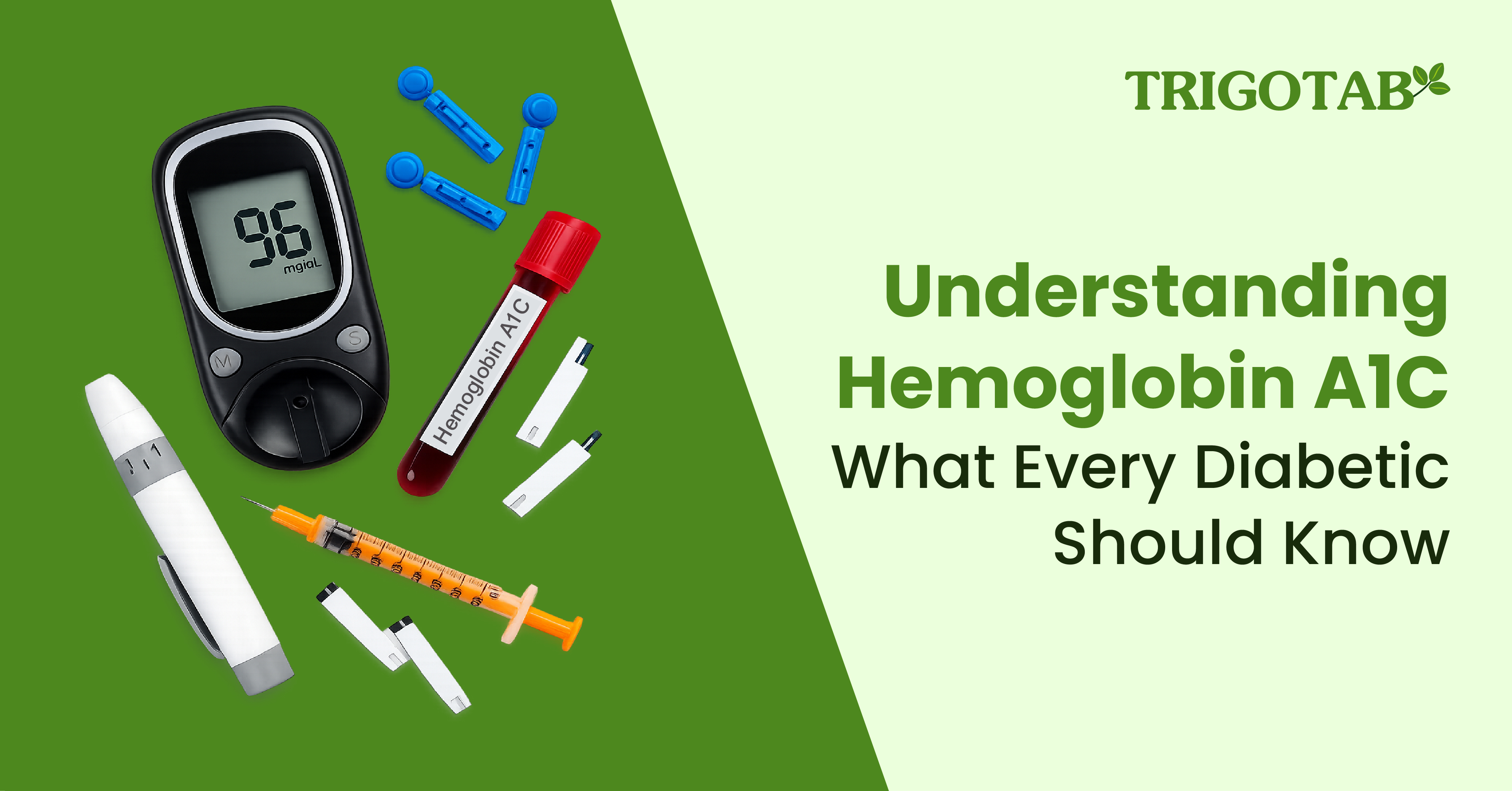
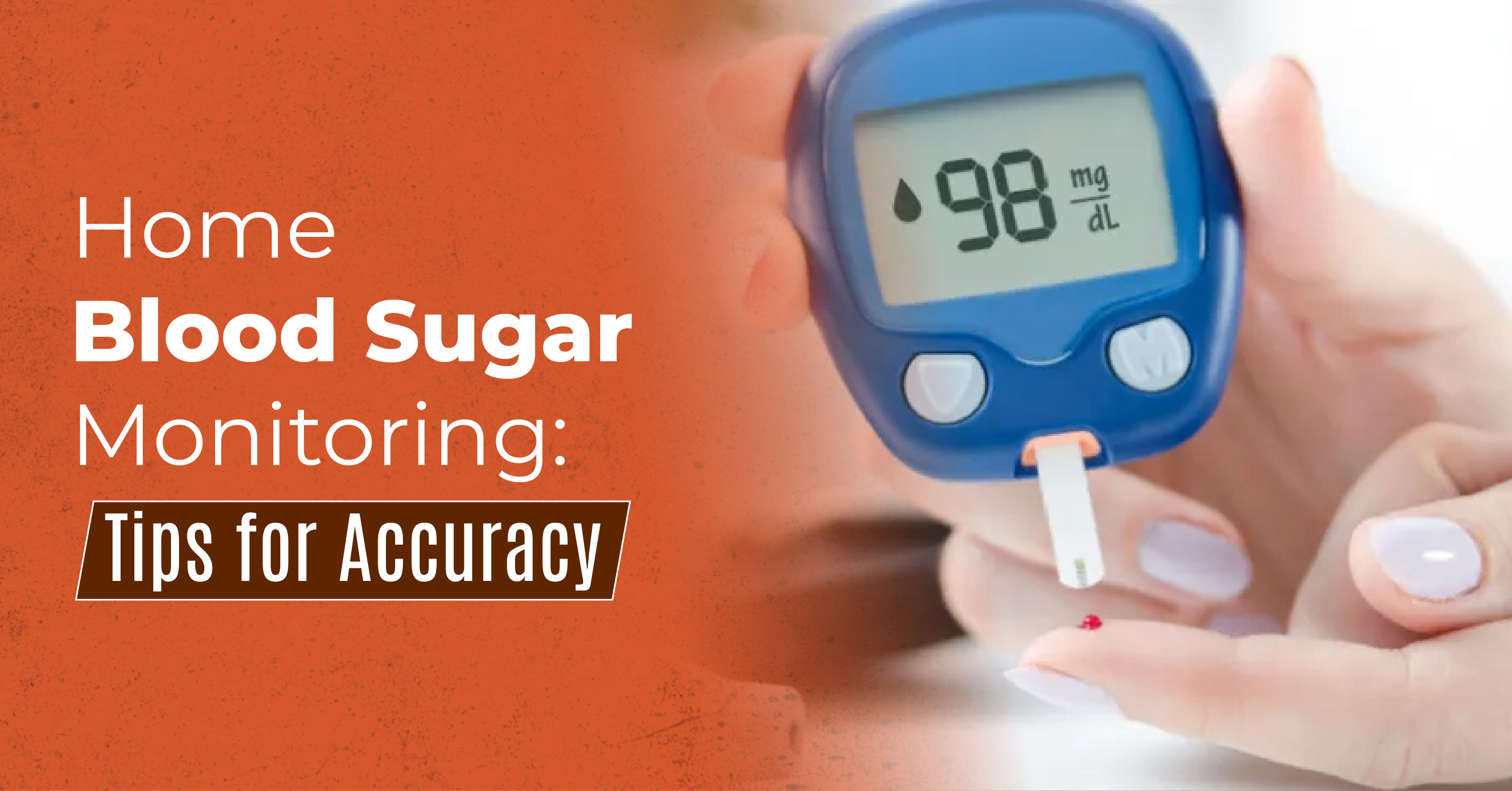
Blood sugar monitoring at home is commonly done using a blood glucose meter (glucometer). The device measures glucose levels from a small drop of blood, usually taken from the fingertip.
Common Times to Check Blood Sugar
- Fasting (before breakfast)
- Before meals
- Two hours after meals
- Before physical activity
- At bedtime
Testing schedules should follow healthcare guidance and individual needs.
Best Ways to Measure Blood Sugar at Home
Accurate results depend on correct preparation and testing technique.
Prepare Before Testing
- Wash hands with warm water and soap
- Dry hands completely to avoid diluted readings
- Avoid using hand sanitiser just before testing
Use the Glucometer Correctly
- Insert a fresh test strip properly
- Use a new lancet for each test
- Prick the side of the fingertip, not the centre
- Apply enough blood to the strip without smearing
Correct handling reduces variability and improves accurate blood sugar testing.
Tips for Accurate Blood Sugar Readings
Check Test Strip Storage
- Store strips in a cool, dry place
- Keep the container tightly closed
- Avoid using expired test strips
Maintain Your Blood Glucose Meter
- Clean the meter as recommended
- Replace batteries regularly
- Perform control solution tests when needed
Be Consistent With Timing
Testing at similar times each day allows better comparison and trend analysis.
Avoid Common Testing Errors
- Testing with dirty or wet hands
- Squeezing the finger excessively
- Reusing lancets
- Using damaged or expired strips
Small mistakes can lead to misleading results.
Factors That Can Affect Blood Sugar Readings
External Factors
- Stress or illness
- Dehydration
- Recent physical activity
- Temperature extremes
Biological Factors
- Hormonal changes
- Poor sleep
- Infection or inflammation
Understanding these influences helps interpret readings more accurately.
How Accurate Monitoring Supports Diabetes Management
High-Level Mechanism (Non-Clinical)
- Accurate readings reflect real-time glucose changes
- Better data leads to improved lifestyle adjustments
- Early detection prevents prolonged high or low blood sugar
- Consistent monitoring supports long-term glycaemic stability
Home blood sugar monitoring complements medical care and lifestyle management.
Safety and Usage Overview
Safe Monitoring Practices
- Dispose of lancets safely
- Do not share glucometers or lancets
- Keep testing supplies out of reach of children
When to Seek Medical Advice
- Repeated unexplained high or low readings
- Symptoms that do not match readings
- Difficulty using the glucometer correctly
Home monitoring supports care but does not replace professional medical guidance.
Frequently Asked Questions (FAQs)
Q: How often should blood sugar be checked at home?
Frequency depends on diabetes type, treatment plan, and medical advice. Some people test once daily, while others may test multiple times a day.
Q: What is the best finger for blood sugar testing?
The sides of the fingertips are preferred, as they are less sensitive and provide good blood flow.
Q: Can stress affect home blood sugar readings?
Yes. Stress hormones can raise blood sugar levels, even without dietary changes.
Q: Are home glucometers accurate?
Most glucometers are reliable when used correctly, stored properly, and calibrated according to manufacturer instructions.
Q: Should hands be washed before every test?
Yes. Washing hands removes residues that may affect results and improves testing accuracy.
Key Takeaways / Summary
- Home blood sugar monitoring is essential for diabetes self-care
- Accurate testing depends on proper technique and consistency
- Clean hands, fresh strips, and correct timing improve accuracy
- External factors like stress and illness can influence readings
- Reliable monitoring supports better glucose control and decision-making
Conclusion
Accurate home blood sugar monitoring empowers individuals to manage diabetes more confidently and effectively. By following correct testing techniques, maintaining equipment, and understanding factors that influence readings, people can achieve more reliable results and better sugar control.
For more insights on diabetes care and lifestyle management, visit Trigotab.