Fenugreek and Insulin Sensitivity: How It Supports Long-Term Blood Sugar Balance
20 Jan, 2026
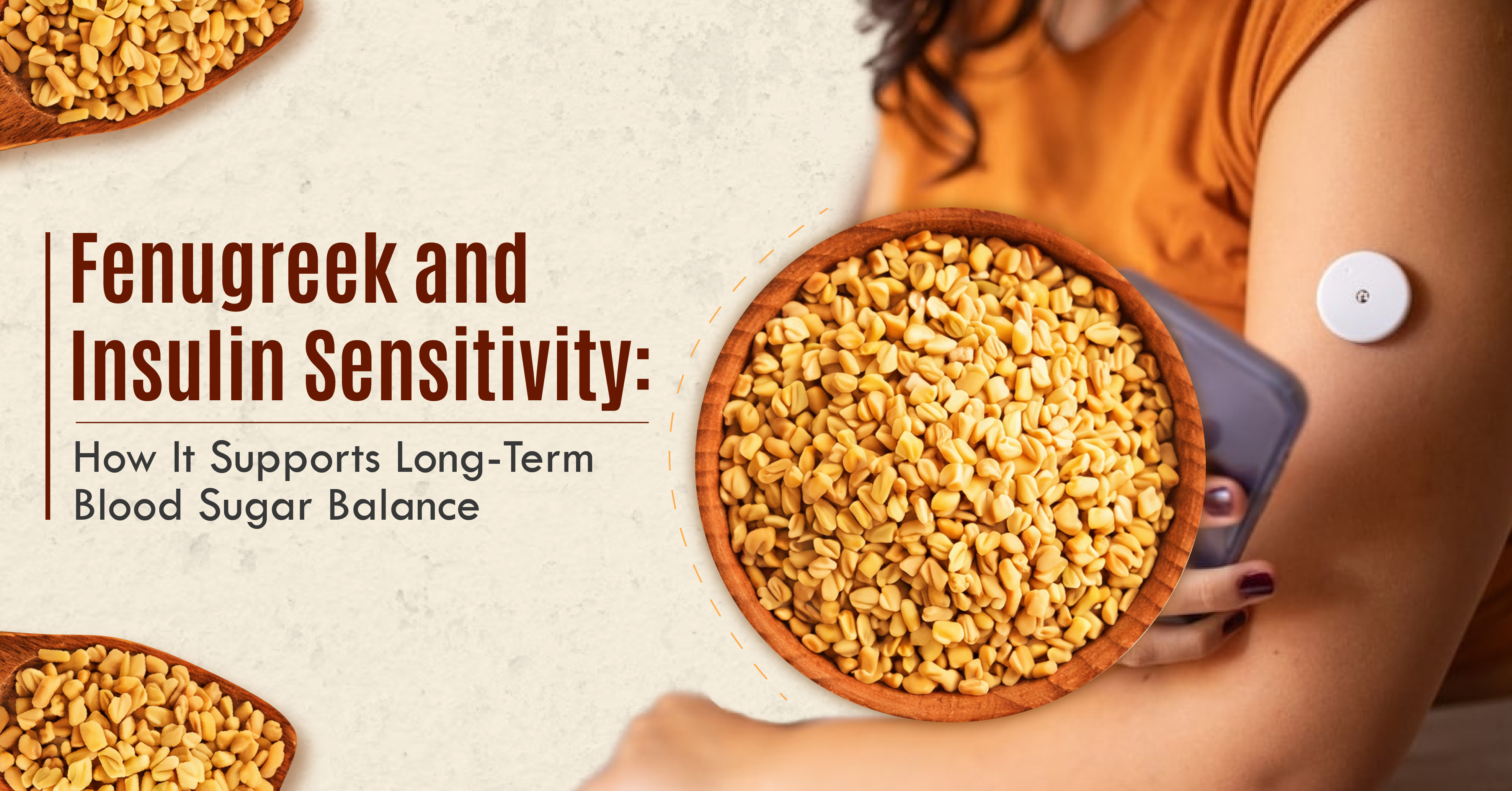
Fenugreek has been extensively studied for its role in supporting insulin sensitivity and blood sugar balance. Regular consumption of fenugreek seeds or supplements may help improve glucose metabolism, support natural insulin function, and assist in long-term diabetes management.
This article explains the mechanisms behind fenugreek's benefits, practical ways to use it, and how it integrates into a holistic blood sugar management plan.
Understanding Blood Sugar and Insulin Sensitivity
Insulin is a hormone responsible for regulating blood glucose levels. Insulin sensitivity refers to how effectively the body's cells respond to insulin. Reduced insulin sensitivity, or insulin resistance, can lead to elevated blood sugar and an increased risk of type 2 diabetes.
Causes of Reduced Insulin Sensitivity
- Sedentary lifestyle and low physical activity
- Excess calorie intake and obesity
- Chronic inflammation and oxidative stress
- Genetic predisposition
Impact of Insulin Resistance
Insulin resistance can contribute to:
- Persistently high blood glucose
- Increased risk of cardiovascular disease
- Difficulty managing body weight
- Long-term complications in diabetes management
Maintaining insulin sensitivity is therefore critical for metabolic health and overall well-being.
How Fenugreek Supports Blood Sugar Balance
Fenugreek (Trigonella foenum-graecum) is a traditional herb used for glucose regulation and metabolic support. Its seeds contain soluble fibre, saponins, and amino acids that contribute to blood sugar control.
Mechanism of Action
- Slows carbohydrate absorption: Soluble fibre delays glucose uptake, reducing post-meal spikes
- Enhances insulin sensitivity: Compounds in fenugreek improve cellular response to insulin
- Supports glucose metabolism: Amino acids like 4-hydroxyisoleucine stimulate insulin secretion
- Reduces oxidative stress: Antioxidants help protect pancreatic cells
These combined effects make fenugreek a valuable natural insulin support for people seeking stable blood sugar levels.
Practical Uses of Fenugreek
Fenugreek can be incorporated into your daily routine in several forms:
1. Fenugreek Seeds
- Soaked seeds: Soak 1-2 teaspoons overnight in water and consume in the morning
- Ground powder: Add to smoothies, soups, or meals for daily intake
2. Fenugreek Supplements
- Available as capsules, tablets, or standardized extracts
- Convenient for consistent dosing and long-term blood sugar support
3. Culinary Integration
- Fenugreek leaves (fresh or dried) in curries, salads, or stir-fries
- Enhances flavour while providing natural glycaemic support
Consistent, moderate intake is generally considered safe and complements other lifestyle strategies for blood sugar management.
Common Questions About Fenugreek and Insulin Sensitivity
1. Can fenugreek improve insulin sensitivity?
Yes. Research indicates that fenugreek compounds improve cellular response to insulin, helping lower blood glucose levels naturally over time.
2. How much fenugreek should I take daily?
Typical doses range from 5-15 grams of seeds or 500-1000 mg of standardized extract, depending on individual health needs. Always consult a healthcare professional before starting any supplement.
3. Are there additional benefits for diabetes management?
Fenugreek may also:
- Reduce postprandial blood sugar spikes
- Improve lipid profiles and heart health
- Support satiety and weight management
4. Are fenugreek supplements safe?
For most adults, fenugreek is safe when consumed in moderate dietary or supplemental doses. Mild side effects may include gastrointestinal discomfort or maple-like odour in sweat or urine.
5. Can I use fenugreek with other diabetes medications?
Fenugreek may enhance the effect of certain medications, potentially lowering blood sugar further. Consultation with a healthcare provider is recommended to avoid hypoglycaemia.
Integrating Fenugreek Into a Holistic Diabetes Management Plan
Fenugreek is most effective when combined with other lifestyle interventions:
- Balanced diet: High in fibre, vegetables, lean proteins, and whole grains
- Regular exercise: Improves insulin sensitivity naturally
- Weight management: Supports glucose regulation and metabolic health
- Adequate sleep and stress management: Reduces hormonal disruptions affecting insulin
By combining dietary, lifestyle, and herbal strategies, fenugreek acts as a supportive tool for long-term blood sugar balance.
Key Takeaways
- Fenugreek supports insulin sensitivity and natural glucose regulation
- Soluble fibre and active compounds slow carbohydrate absorption and enhance insulin function
- Can be consumed as seeds, powder, or supplements for convenient daily intake
- Works best as part of a comprehensive blood sugar management plan, including diet and exercise
- Offers additional metabolic benefits, including lipid control and antioxidant support
Conclusion
Fenugreek provides a natural, evidence-based approach to supporting insulin sensitivity and maintaining healthy blood sugar levels. Through its unique combination of bioactive compounds and soluble fibre, it complements a balanced lifestyle and can be a valuable addition for people managing diabetes or seeking long-term metabolic health.
Regular inclusion of fenugreek in dietary or supplemental form offers practical, safe, and effective support for blood sugar regulation naturally.