Why Blood Sugar Fluctuates Even When You Eat Healthy - Trigotab Expert Guide
16 Dec, 2025

Many people are surprised when their blood sugar fluctuates even with a healthy diet. You may be eating clean, avoiding sweets, and following all the right routines-yet your glucose levels still rise or fall unexpectedly. You're not alone. Blood sugar management is influenced by far more than food alone.
This Trigotab Expert Guide breaks down the hidden causes of blood sugar fluctuations, why your levels may still spike even after healthy meals, and how to support more stable glucose with smart daily habits.
What Are Blood Sugar Fluctuations?
Blood sugar fluctuations refer to unexpected rises or drops in glucose levels, even when your diet seems controlled. These can happen:
- After eating
- During stress
- After workouts
- Between meals
- Even overnight
If you’re wondering “Why is my blood sugar high despite diet control?”, the answer often lies in multiple lifestyle and physiological factors beyond food.
Top Reasons Why Blood Sugar Fluctuates Even When You Eat Healthy
1. Hidden Sugars in “Healthy” Foods
Many foods labelled as healthy contain hidden sugars or fast-digesting carbs that cause sudden glucose spikes.
Common culprits include:
- Packaged cereals
- Flavoured yogurt
- Granola bars
- Store-bought smoothies
- Tomato ketchup
- Energy drinks
These foods digest quickly, causing rapid blood sugar elevation, even if they look nutritious.
2. High Glycaemic Index (GI) Food Choices
Some foods like:
- Oats
- Brown bread
- Fruits like bananas, grapes
- Poha, idli
may still cause blood sugar to rise quickly due to their glycaemic load, not just glycemic index.
Even healthy carbs can cause glucose spikes if eaten alone or in large portions.
3. Stress - A Major but Overlooked Trigger
Stress increases cortisol, a hormone that signals your liver to release more glucose.
This leads to:
- Elevated fasting sugar
- Sudden spikes during emotional stress
- Unstable blood sugar throughout the day
You may be eating well, but stress alone can disrupt your levels.
4. Poor Sleep or Irregular Sleep Cycles
Lack of quality sleep reduces insulin sensitivity, causing:
- Higher morning glucose
- Increased cravings
- More pronounced spikes after meals
Even one night of poor sleep can trigger unstable blood sugar levels.
5. Medications and Hormonal Changes
Some medications may affect glucose levels, including:
- Steroids
- Certain antidepressants
- Birth control pills
- Hormonal treatments
Additionally, hormonal fluctuations during menstruation or menopause can cause unexpected blood sugar spikes.
6. Inconsistent Meal Timing
Skipping meals or eating at irregular intervals leads to:
- Glucose dips
- Compensatory spikes
- Increased hunger and overeating
Your body thrives on predictability, especially when managing blood sugar.
7. Lack of Physical Activity
Even with healthy food choices, low movement may cause:
- Reduced insulin sensitivity
- Slower glucose uptake
- Higher post-meal spikes
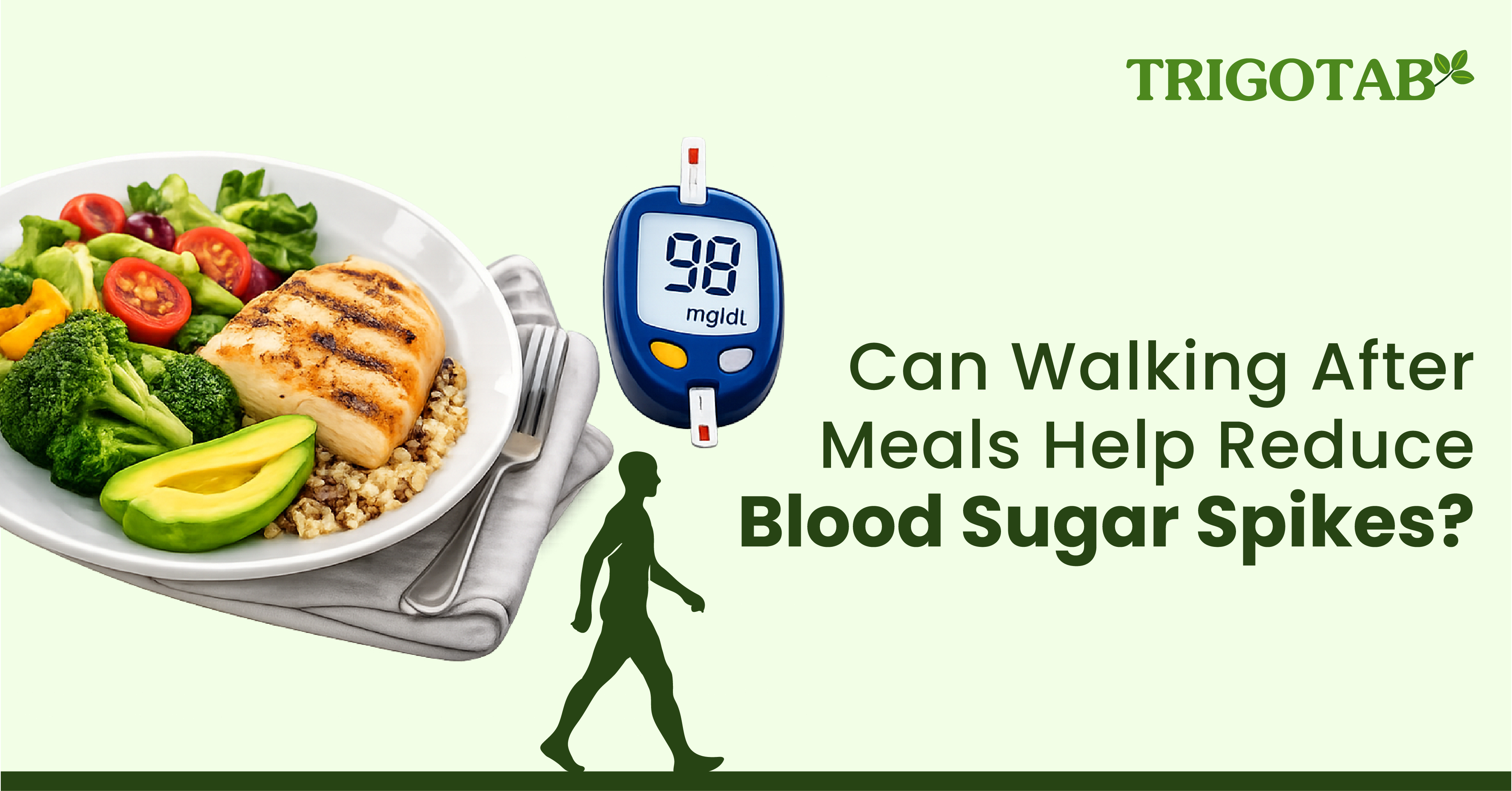
A 10-minute walk after meals can significantly improve blood sugar stability.
8. Digestive Speed & Individual Metabolism
Everyone digests food differently.
If you digest carbs faster, your blood sugar may spike quicker-even if the meal is healthy.
Certain individuals also have reduced insulin response, causing their body to struggle with glucose regulation.
How to Control Blood Sugar Fluctuations - Expert Tips
Here are highly effective strategies to support more stable glucose levels:
1. Pair Carbs With Protein or Healthy Fat
This slows digestion and reduces the speed of glucose absorption.
Examples:
- Oats + nuts
- Fruit + peanut butter
- Roti + paneer
- Rice + dal
2. Mind Portion Sizes Even for Healthy Foods
Portion control is crucial for preventing post-meal spikes.
3. Stay Active After Meals
A light walk boosts glucose uptake into muscles, preventing spikes.
4. Manage Stress Levels
Consider:
- Deep breathing
- Meditation
- Yoga
- Short breaks
Stress management is as important as diet.
5. Maintain Regular Meal Timings
Your body responds better when it knows when to expect fuel.
6. Consider Supportive Supplements Like Trigotab
Trigotab, made with standardized fenugreek extract, supports blood sugar balance naturally through:
- Improved insulin sensitivity
- Slowed glucose absorption
- Better metabolic balance
(Note: Not a treatment or cure. Always consult a healthcare professional.)
When to Seek Medical Guidance
If your blood sugar remains consistently high despite diet and lifestyle control, consult your doctor. Persistent fluctuations may indicate:
- Insulin resistance
- Hormonal imbalance
- Medication effects
- Underlying metabolic concerns
Final Thoughts
Blood sugar isn’t influenced by food alone. Stress, sleep, timing, digestion, hormones, and hidden sugars all play major roles in glucose stability. With the right awareness and consistent habits, you can gain better control.
Supporting your routine with plant-based supplements like Trigotab can further help maintain balance-naturally and safely.