Women’s Hormonal Health and Blood Sugar: Managing Fluctuations Throughout Life
18 Mar, 2026
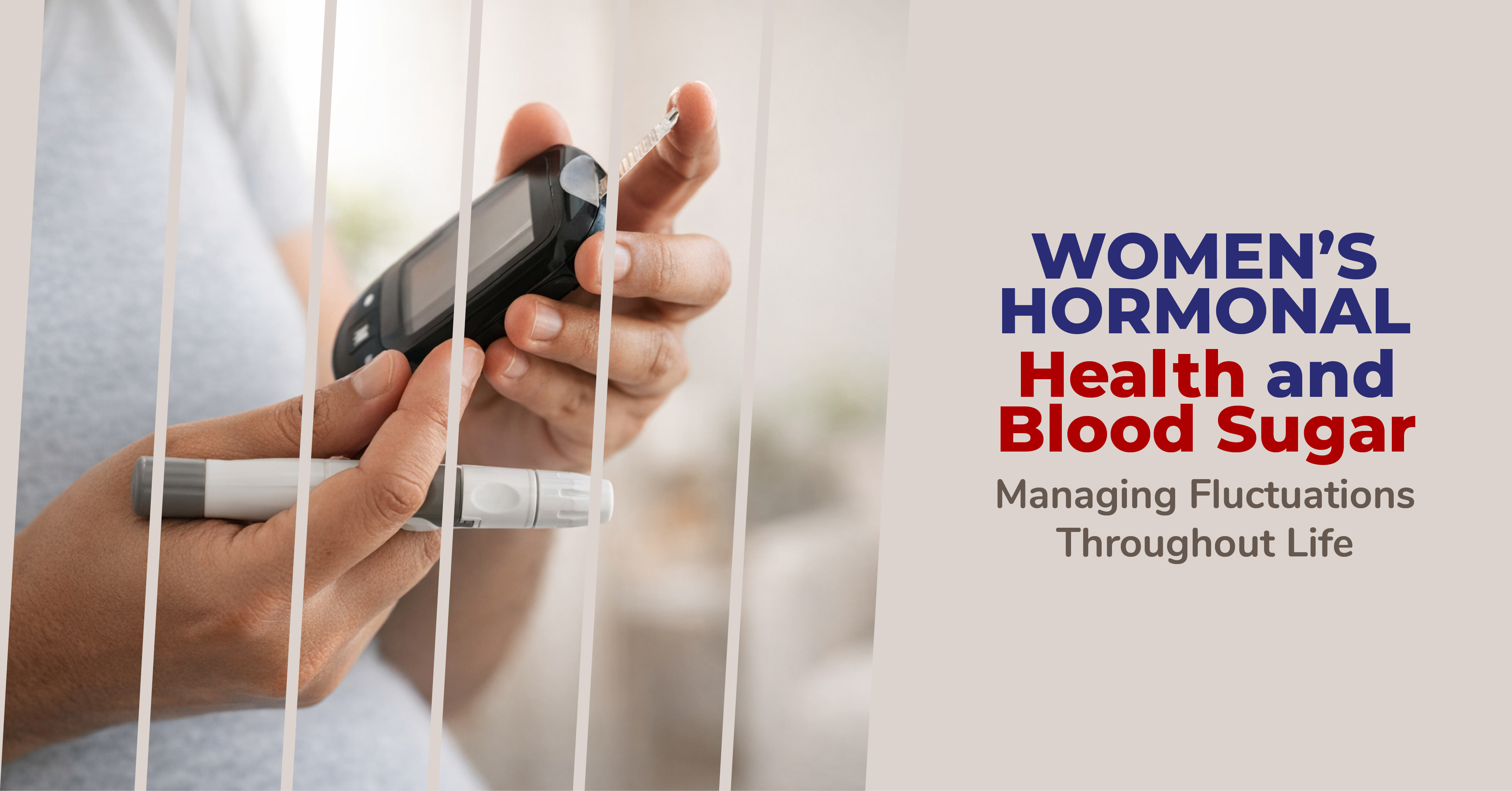
Hormonal changes throughout a woman's life can significantly affect blood sugar levels. Fluctuations in oestrogen, progesterone, and other hormones influence insulin sensitivity, glucose metabolism, and appetite regulation. Understanding these changes helps women manage blood sugar more effectively across puberty, reproductive years, pregnancy, and menopause.
Introduction
Blood sugar regulation in women is closely linked to hormonal health. Unlike men, women experience regular hormonal shifts across the menstrual cycle and more pronounced changes during pregnancy, perimenopause, and menopause. These fluctuations can lead to unpredictable blood sugar patterns, increased insulin resistance, and a higher risk of metabolic imbalance if not managed carefully.
Recognising how female hormones influence glucose metabolism allows women to adopt targeted lifestyle strategies — including nutrition, physical activity, and stress management — that support stable blood sugar levels and long-term metabolic health.
How Female Hormones Affect Blood Sugar
The Role of Oestrogen and Progesterone
Oestrogen generally supports insulin sensitivity, helping cells respond more effectively to glucose. Progesterone, however, can reduce insulin sensitivity, particularly during certain phases of the menstrual cycle.
Fluctuations in these hormones can result in:
- Increased insulin resistance
- Higher post-meal blood sugar levels
- Changes in hunger and carbohydrate cravings
These effects are normal but can become problematic when combined with stress, inactivity, or poor dietary habits.
Other Hormones Influencing Blood Sugar
- Cortisol: Stress hormone that raises blood sugar
- Insulin: Regulates glucose uptake by cells
- Thyroid hormones: Influence metabolic rate and glucose processing
Imbalances in any of these systems can contribute to hormone-related sugar spikes.
Blood Sugar Fluctuations Across Life Stages
Puberty and Early Adulthood
During puberty, rising oestrogen levels temporarily reduce insulin sensitivity. This can cause blood sugar variability, especially in adolescents with poor dietary patterns or low activity levels.
Menstrual Cycle
Blood sugar changes may occur across the cycle:
- Follicular phase: Better insulin sensitivity
- Luteal phase: Increased insulin resistance and cravings
Many women notice higher blood sugar readings or energy crashes before menstruation.
Pregnancy
Hormonal changes during pregnancy naturally increase insulin resistance to support foetal development. In some cases, this can lead to gestational blood sugar imbalance, requiring close nutritional and medical monitoring.
Perimenopause and Menopause
As oestrogen levels decline:
- Insulin sensitivity decreases
- Fat distribution shifts toward the abdomen
- Blood sugar variability increases
Menopause is associated with a higher risk of developing type 2 diabetes if lifestyle adjustments are not made.
Common Symptoms of Hormone-Related Blood Sugar Imbalance
Women experiencing hormone-related glucose fluctuations may notice:
- Energy crashes or fatigue
- Increased sugar cravings
- Mood swings or irritability
- Difficulty maintaining weight
- Brain fog or poor concentration
These symptoms are often dismissed as “hormonal” but may indicate underlying blood sugar instability.
Nutrition Strategies for Blood Sugar Control in Women
Balanced Macronutrients
A blood sugar-supportive diet should include:
- Protein: Supports muscle mass and insulin sensitivity
- Fibre-rich carbohydrates: Slow glucose absorption
- Healthy fats: Support hormonal balance and satiety
Skipping meals or relying on refined carbohydrates can worsen hormonal glucose swings.
Key Dietary Tips
- Eat regular, balanced meals
- Avoid excessive refined sugars
- Include plant-based fibre sources
- Pair carbohydrates with protein
Consistent nutrition is especially important during hormonal transitions such as menopause.
Lifestyle Factors That Influence Hormonal Blood Sugar Control
Physical Activity
Regular exercise:
- Improves insulin sensitivity
- Reduces stress-related glucose spikes
- Supports muscle mass, especially post-menopause
Both aerobic exercise and resistance training are beneficial.
Stress and Sleep
Chronic stress and poor sleep elevate cortisol, which raises blood sugar. Managing sleep quality and daily stress is essential for hormonal glucose regulation.
Common User Questions
Why does blood sugar fluctuate more in women?
Hormonal changes across the menstrual cycle, pregnancy, and menopause affect insulin sensitivity, leading to variable glucose responses.
Does menopause increase diabetes risk?
Yes. Reduced oestrogen levels can increase insulin resistance, raising the risk of type 2 diabetes without lifestyle adjustments.
Can diet help stabilise hormonal blood sugar changes?
Yes. Balanced meals with adequate protein, fibre, and healthy fats support both hormonal and glucose stability.
FAQs
1. Are blood sugar spikes normal during the menstrual cycle?
A: Yes, especially during the luteal phase when progesterone is higher.
2. Does menopause affect insulin sensitivity?
A: Yes. Oestrogen decline reduces insulin sensitivity and alters glucose metabolism.
3. Can exercise reduce hormone-related sugar swings?
A: Regular movement improves insulin response and reduces glucose variability.
4. Should women eat differently at different life stages?
A: Nutritional needs change with hormonal status, making personalised strategies important.
5. Can stress worsen blood sugar fluctuations?
A: Yes. Elevated cortisol directly raises blood sugar levels.
Key Takeaways
- Female hormones strongly influence blood sugar regulation
- Life stages such as menopause increase insulin resistance risk
- Nutrition, exercise, sleep, and stress management are critical
- Early awareness supports long-term metabolic health
Conclusion
Women's blood sugar regulation is closely intertwined with hormonal health across every stage of life. Fluctuations in oestrogen, progesterone, and stress hormones influence insulin sensitivity, appetite, and glucose metabolism. By understanding these changes and adopting supportive nutrition and lifestyle strategies, women can better manage blood sugar variability and reduce long-term metabolic risk.
Trigotab is formulated using fenugreek-based ingredients that align with nutritional approaches aimed at supporting blood sugar balance. When used alongside balanced meals, regular physical activity, and medical guidance, such formulations may complement lifestyle-focused strategies for managing hormone-related blood sugar fluctuations.