Breathwork Techniques to Lower Stress and Stabilise Blood Sugar
22 Mar, 2026
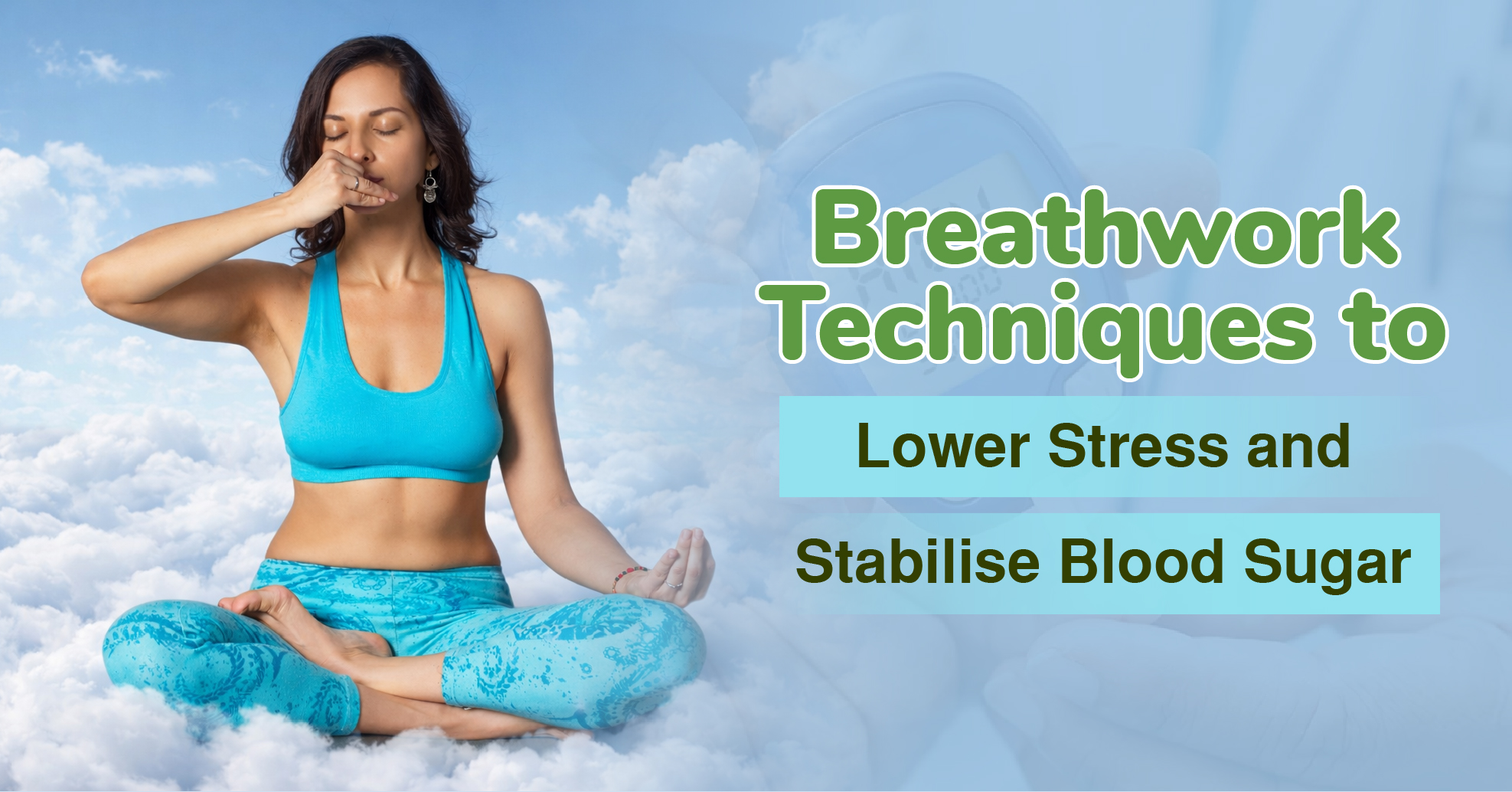
Breathwork helps lower stress and stabilise blood sugar by reducing cortisol and improving nervous system balance. Slow, controlled breathing activates the parasympathetic nervous system, which supports insulin sensitivity, reduces stress-related glucose spikes, and promotes calmer metabolic regulation when practised consistently.
Introduction
Stress is one of the most overlooked contributors to unstable blood sugar levels. While diet and physical activity receive most of the attention, the body’s stress response can significantly disrupt glucose regulation through hormonal pathways.
When stress is chronic, elevated cortisol levels signal the liver to release glucose into the bloodstream, even when energy is not required. Over time, this can lead to frequent blood sugar spikes, increased insulin resistance, and metabolic imbalance.
Breathwork — intentional, controlled breathing — is a simple yet powerful tool that directly influences the nervous system. By calming the stress response, breathwork supports hormonal balance and more stable blood sugar control. This article explores how breathing affects glucose regulation and outlines practical breathwork techniques that can be safely practised daily.
How Stress Affects Blood Sugar
The Stress–Glucose Connection
Stress activates the body’s “fight or flight” response, triggering the release of cortisol and adrenaline. These hormones:
- Increase glucose release from the liver
- Reduce insulin sensitivity
- Promote fat storage and inflammation
While this response is useful in short-term emergencies, chronic stress keeps blood sugar levels elevated unnecessarily.
Why Stress-Related Sugar Spikes Matter
Repeated stress-induced glucose spikes can contribute to:
- Insulin resistance
- Fatigue and energy crashes
- Increased cravings for sugary foods
- Long-term metabolic risk
Managing stress is therefore an essential part of blood sugar regulation, not an optional extra.
How Breathwork Influences Blood Sugar Regulation
Nervous System Balance and Glucose Control
Breathwork directly affects the autonomic nervous system:
- Fast, shallow breathing activates the stress response
- Slow, deep breathing activates the relaxation response
When the parasympathetic nervous system is engaged:
- Cortisol levels decrease
- Insulin sensitivity improves
- Glucose release from the liver is reduced
This creates a physiological environment that supports steadier blood sugar levels.
Key Breathwork Techniques for Stress and Blood Sugar Balance
Diaphragmatic (Belly) Breathing
This foundational technique encourages deep, slow breaths using the diaphragm rather than the chest.
How to practise:
- Sit or lie comfortably
- Inhale through the nose, expanding the abdomen
- Exhale slowly through the nose or mouth
- Repeat for 5–10 minutes
Benefits:
- Reduces cortisol
- Promotes relaxation
- Supports metabolic calm
Box Breathing (4-4-4-4)
Box breathing is a structured technique often used to calm the nervous system quickly.
How to practise:
- Inhale for 4 seconds
- Hold for 4 seconds
- Exhale for 4 seconds
- Hold for 4 seconds
- Repeat for 3–5 minutes
Benefits:
- Reduces acute stress
- Stabilises heart rate
- Helps prevent stress-related glucose spikes
Extended Exhale Breathing
Lengthening the exhale signals safety to the nervous system.
How to practise:
- Inhale for 4 seconds
- Exhale for 6–8 seconds
- Continue for several minutes
Benefits:
- Activates the parasympathetic response
- Lowers stress hormones
- Encourages stable blood sugar patterns
When to Use Breathwork for Blood Sugar Support
Breathwork can be particularly helpful at key moments:
- Before meals: Reduces stress-related glucose spikes
- After meals: Supports digestion and glucose regulation
- During cravings: Helps regulate emotional eating triggers
- Before sleep: Improves sleep quality, indirectly supporting glucose control
Consistency matters more than duration — even a few minutes daily can make a difference.
Breathwork as Part of a Holistic Blood Sugar Strategy
While breathwork is powerful, it works best when combined with other lifestyle practices:
- Balanced meals with adequate protein and fibre
- Regular physical activity
- Sufficient sleep
- Stress awareness and recovery time
Breathwork supports these strategies by creating a hormonal environment where the body can regulate glucose more effectively.
Common User Questions
Can breathing exercises really affect blood sugar?
Yes. Breathing influences cortisol and nervous system activity, both of which directly affect glucose release and insulin sensitivity.
How quickly does breathwork work?
Many people experience reduced stress within minutes. Blood sugar benefits develop with consistent practice over time.
Is breathwork safe for everyone?
Gentle breathing techniques are generally safe. Individuals with respiratory or cardiac conditions should practise under guidance.
FAQs
1. How often should breathwork be practised?
A: Daily practice, even for 5–10 minutes, is effective.
2. Can breathwork replace medication?
A: No. Breathwork supports lifestyle management but does not replace medical treatment.
3. Is breathwork helpful for emotional eating?
A: Yes. It helps regulate stress-driven cravings and impulse eating.
4. Does breathwork help with sleep-related blood sugar issues?
A: Yes. Improved sleep quality supports better glucose regulation.
5. Should breathwork be done before or after meals?
A: Both can be beneficial, depending on individual stress patterns.
Key Takeaways
- Stress hormones directly raise blood sugar levels
- Breathwork lowers cortisol and supports insulin sensitivity
- Simple breathing techniques can stabilise glucose patterns
- Consistent practice enhances long-term metabolic balance
Conclusion
Breathwork is a simple yet effective tool for reducing stress and supporting blood sugar stability. By calming the nervous system and lowering stress hormones, controlled breathing helps reduce stress-related glucose spikes and supports healthier metabolic regulation. When practised consistently, breathwork complements nutrition, movement, and medical care as part of a holistic blood sugar management approach.
Trigotabis formulated using fenugreek-based ingredients that align with lifestyle strategies aimed at supporting blood sugar balance. When combined with stress-management practices such as breathwork, balanced nutrition, and regular physical activity, such formulations may complement broader efforts to maintain stable glucose levels under professional guidance.